
A washing machine looks indestructible until the day it leaks, bangs, or starts to smell. The failure is rarely sudden. It is almost always the end of a long run of small habits that quietly wear the drum, the seal, or the pump.
Most of these habits feel harmless in the moment. A few extra shirts past the fill line. A little more detergent. A door left shut. Over months, each one adds strain. Here are 15 of the most common, with the simple fix for each.

1. Overloading the drum past the hand-span line
- Advertisement -

Jamming the drum full is the most common washer mistake. Manufacturer guidance across major brands is simple: a flat hand should still fit between the top of the load and the drum. Past that line, clothes cannot tumble, and the bearings carry an uneven load every cycle.
The fix is to split the load in two. Lighter, more frequent washes clean better and put less strain on the suspension. Towels and jeans in particular soak up water and gain weight fast, so they should fill only about two-thirds of the drum before the cycle starts.
2. Using more detergent than the dose line
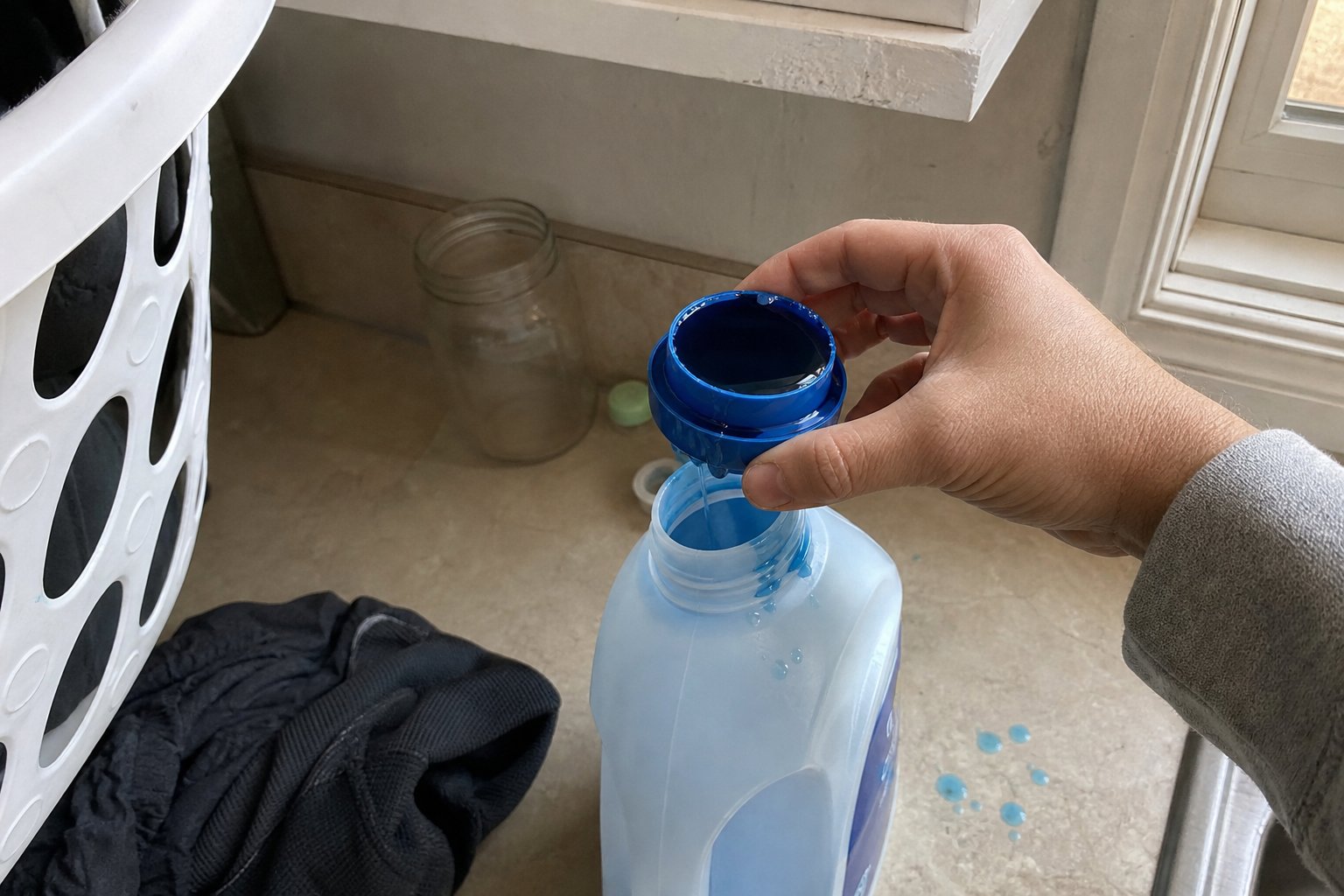
A fuller cap feels like a cleaner wash. It is usually the opposite. Extra detergent cannot rinse out in the water the machine is designed to use, so it settles on clothes and inside the drum. Residue traps odours and feeds bacteria over time.
The dose line on the cap is the correct amount for a normal load, and slightly less for soft water. Measuring at eye level, not by feel, tends to cut most households’ detergent use noticeably. Clothes come out cleaner and the dispenser drawer stays clearer.
- Advertisement -